
The Ultimate Guide to the University of Cambridge: Colleges, History & Visiting Tips
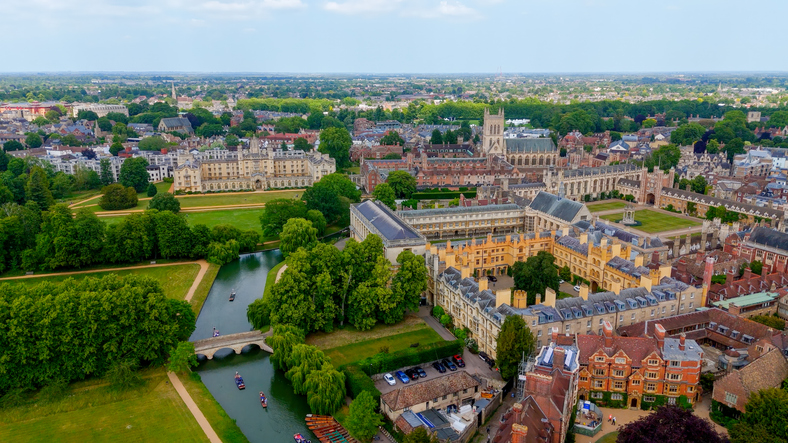
Imagine walking through cobbled streets lined with centuries-old buildings, passing majestic chapels, sunlit courtyards, and tranquil gardens where some of history’s greatest minds once studied. Welcome to University of Cambridge, a place where tradition meets innovation, and learning happens in a community of 31 unique colleges. Each college has its own personality, from grand historic halls to cosy, student centred spaces, making Cambridge more than just a university – it’s a vibrant world within a city.
In this guide, we’ll explore the colleges, uncover the traditions that make Cambridge special, and give you tips for visiting, helping you navigate one of the most fascinating academic institutions on the planet.
Overview of Cambridge University
Founded in 1209, University of Cambridge is one of the oldest and most prestigious universities in the world. With a history spanning over eight centuries, it has produced a remarkable roster of alumni, including Sir Isaac Newton, Charles Darwin, Stephen Hawking, and numerous Nobel laureates. Today, Cambridge consistently ranks among the top universities globally, celebrated for its research, innovation, and academic excellence across a wide range of disciplines.
Cambridge is organised into faculties and departments that cover the sciences, humanities, and social sciences, alongside world-class research centers and institutes. This structure allows students to specialise deeply while benefiting from cutting-edge facilities and mentorship from leading experts in their fields.
One of the unique aspects of Cambridge is its collegiate system. While the university sets the curriculum, exams, and research opportunities, each of the 31 colleges provides a smaller, close-knit community for students. In essence, the university handles teaching and research, while the colleges nurture student life and personal development, giving Cambridge a distinctive blend of centralised excellence and intimate community.
The Colleges of Cambridge
What makes the University of Cambridge unique is its collegiate system. Rather than one single campus, Cambridge is made up of around 31 colleges, each with its own history, culture, and character. A college is more than accommodation, it’s a self-governing community offering meals, social life, pastoral support, and academic mentoring.
Colleges vary widely in style. Some, like King’s College, are historic and formal with grand architecture, while others, like Robinson College, are modern and vibrant. There are scenic colleges with gardens and river views, intimate colleges with smaller student populations, and ones known for specific academic or extracurricular strengths.
This variety ensures that every student can find a college that suits their personality and interests. While the university handles lectures and exams, the colleges provide the community and daily life that make Cambridge such a distinctive experience.
List of Cambridge University Colleges
| College Name | Founding Year | Notable Feature | Notable Alumni |
| Christ’s College | 1505 | John Milton studied here | John Milton, Charles Cornwallis |
| Churchill College | 1960 | Modernist architecture | Sir David Attenborough, Sir Martin Evans |
| Clare College | 1326 | Famous gardens & Bridge of Sighs | Samuel Pepys, Rachel Weisz |
| Clare Hall | 1966 | Graduate-only college | Sir Richard Friend |
| Corpus Christi College | 1352 | Historic library | Peter Tufano, Matthew Parker |
| Darwin College | 1964 | Graduate-only, along the River Cam | Richard Dawkins, Andrew Wiles |
| Emmanuel College | 1584 | Riverside location, formal halls | Graham Chapman, Sebastian Faulks |
| Fitzwilliam College | 1966 | Modern architecture | Sir David Attenborough, Nicholas Hytner |
| Girton College | 1869 | First women’s college | Queen Margrethe II, Ruth Deech |
| Gonville & Caius College | 1348 | Notable alumni in medicine & science | Stephen Hawking, Francis Crick |
| Homerton College | 1768 | Education-focused | Esther Rantzen |
| Hughes Hall | 1885 | Graduate-only college | John Vane |
| Jesus College | 1496 | Historic chapel & gardens | Thomas Cranmer, Clive James |
| King’s College | 1441 | Iconic King’s College Chapel | E.M. Forster, Alan Turing |
| Lucy Cavendish College | 1965 | Women-focused, now mixed | Bridget Kendall |
| Magdalene College | 1428 | Pepys Library | Samuel Pepys, Andrew Motion |
| Murray Edwards College | 1954 | Women-focused | Dame Stephanie Shirley |
| Newnham College | 1871 | Women’s college | Sylvia Plath, Diane Abbott |
| Pembroke College | 1347 | Beautiful gardens & historic hall | John Sulston, John Wilkes |
| Peterhouse | 1248 | Oldest college | J. Michael Bishop, Edmund Halley |
| Queens’ College | 1448 | Mathematical Bridge & river views | Stephen Fry, Laurence Sterne |
| Robinson College | 1977 | Modern architecture | Andrew Marr |
| St Catharine’s College | 1473 | Courtyard & traditional hall | Richard A Clarke |
| St Edmund’s College | 1896 | Graduate-focused | Michael Ignatieff |
| St John’s College | 1511 | Bridges & historic gardens | William Wilberforce, Thomas Clarkson |
| Selwyn College | 1882 | Neo-gothic architecture | John Simpson, Stephen Hawking |
| Sidney Sussex College | 1596 | Oliver Cromwell’s alma mater | Oliver Cromwell, Edwina Currie |
| Trinity College | 1546 | Great Court & famous alumni | Isaac Newton, Charles Darwin, Ludwig Wittgenstein |
| Trinity Hall | 1350 | Historic library & river location | John Presland |
| Wolfson College | 1965 | Graduate & mature students | Stephen Greenblatt |
Notable Colleges to Know
While all 31 Cambridge colleges have their own charm, a few stand out for their history, architecture, and famous alumni. Here are some of the most notable:
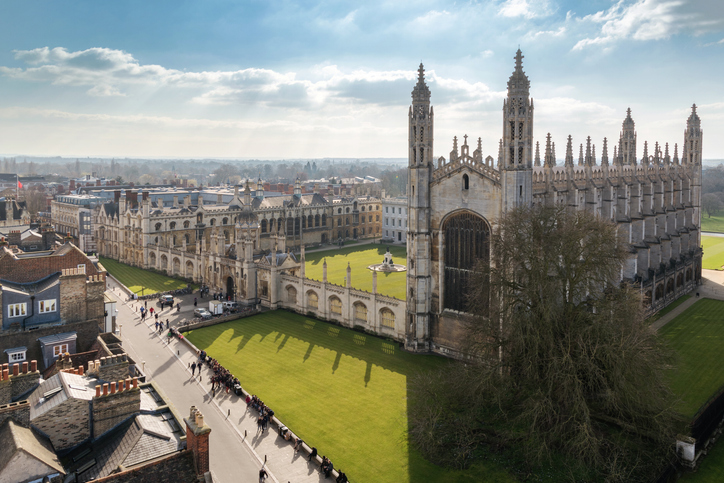
King’s College
Founded in 1441 by King Henry VI, King’s College, Cambridge is perhaps the most iconic of Cambridge’s colleges. Its stunning chapel, with its soaring Gothic architecture and world-famous fan vaulting, is a must-see. The college is renowned for its choir, which performs regularly and attracts visitors from around the world, especially during the annual Christmas Eve service, A Festival of Nine Lessons and Carols. Notable alumni include E.M. Forster and Alan Turing. Walking through the grand courts and along the River Cam, visitors can experience both history and serene beauty.
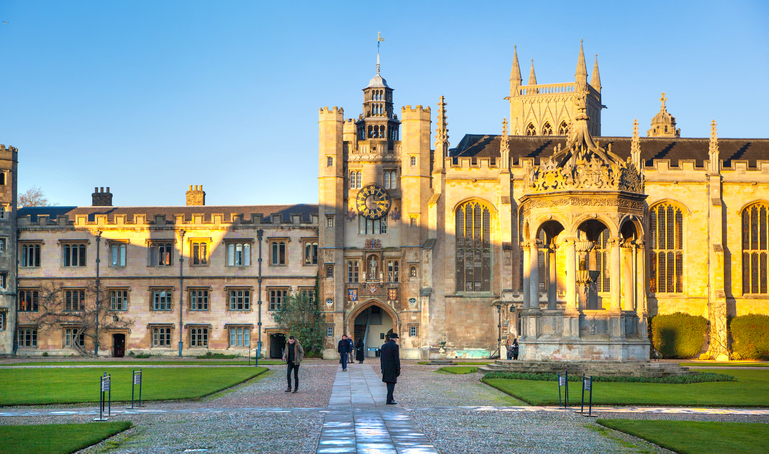
Trinity College
Founded in 1546 by King Henry VIII, Trinity College, Cambridge is one of the largest and wealthiest colleges. Its Great Court is famous for its size and the annual Great Court Run tradition, where students attempt to sprint the perimeter before the clock strikes 12. Trinity has produced some of the most influential figures in history, including Isaac Newton, Charles Darwin, and Ludwig Wittgenstein. Visitors can enjoy the college’s beautiful gardens, historic libraries, and impressive statues.
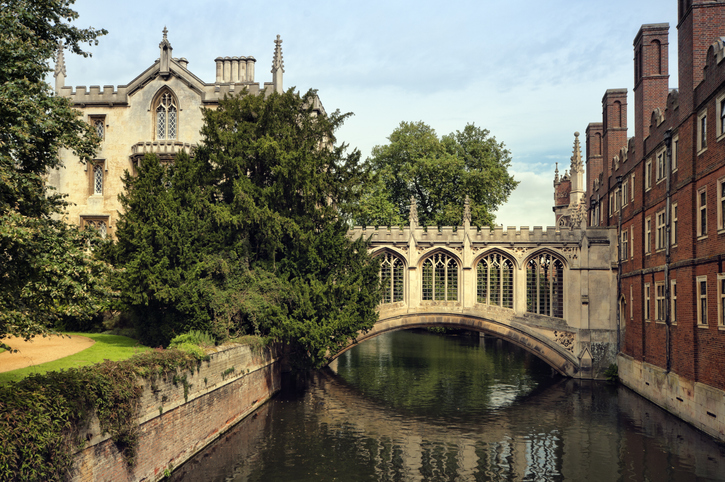
St John’s College
Established in 1511, St John’s College, Cambridge is celebrated for its picturesque bridges spanning the River Cam and its elegant courtyards. The college combines historic architecture with a vibrant student community. St John’s is known for its May Ball, a lavish end-of-year celebration. Famous alumni include William Wilberforce, a key figure in the abolition of the slave trade, and Thomas Clarkson. The college’s gardens and iconic Bridge of Sighs make it a favourite for visitors and photographers.
Magdalene College
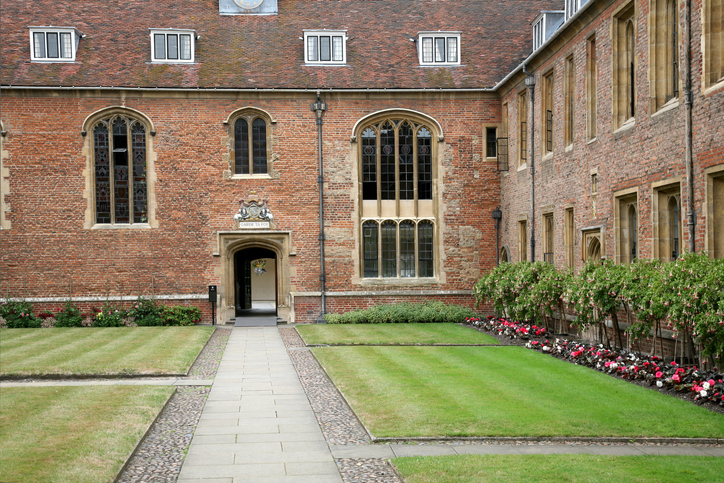
Founded in 1428, Magdalene College is famed for housing the Pepys Library, containing Samuel Pepys’ original manuscripts. The college has a tranquil riverside location and a close-knit student atmosphere, making it charming for visitors seeking history and serenity.
Queens’ College
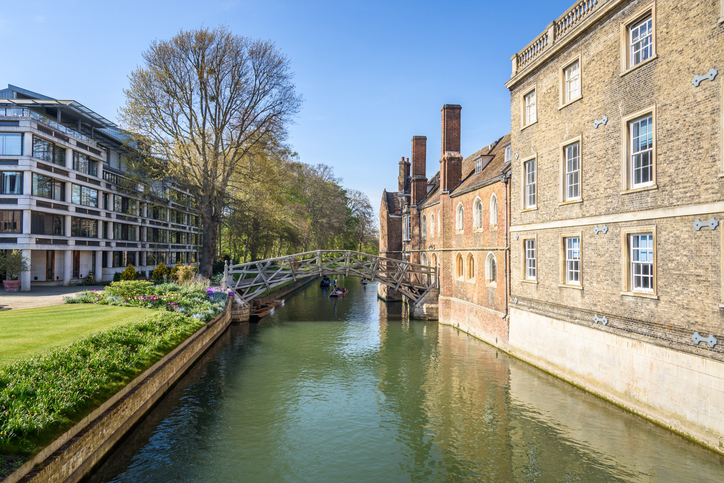
Founded in 1448, Queens’ College, Cambridge is famous for its Mathematical Bridge and scenic riverside walks. Its historic halls and gardens offer a perfect blend of academic tradition and visual appeal.
These colleges showcase the diversity of Cambridge’s collegiate system, from grand chapels and historic libraries to scenic riverside gardens and lively traditions. Exploring them offers a glimpse into both the university’s rich history and its vibrant student life.
Visiting Cambridge & Its Colleges
Many Cambridge colleges welcome visitors, including King’s College, Trinity College and Queens’ College, Cambridge. Weekdays or outside term-time are best to avoid crowds, with spring and early summer offering the most beautiful gardens.
Walking tours are ideal for exploring the colleges and historic streets while learning about famous alumni and architecture. For a classic Cambridge experience, try punting on the River Cam, passing under iconic bridges and along college gardens.
Cambridge University is more than an academic powerhouse – it’s a city of history, culture, and stunning colleges, each with its own story and personality. From world-famous chapels and scenic gardens to lively student traditions and iconic riverside views, Cambridge offers a unique blend of education and experience.
Whether you’re visiting as a tourist, exploring its historic colleges, or considering applying as a student, Cambridge promises a journey through centuries of learning, tradition, and beauty. For official information on visiting or applying, check out the University of Cambridge website and individual college pages.


