
Mandatory Requirements of a Holiday Let Landlord
We at Short Let Space champion best practice in the short term rentals and holiday lettings sector. There are several mandatory requirements that you need to fulfil as a landlord, whether you are renting a whole house, a room or part of a house to a paying guest. when needed. As a holiday let owner, ensuring the safety and well-being of your guests should be a top priority.
Whilst you as the landlord are ultimately responsible for making sure your home is meeting the legal requirements, Short Let Space will keep on record all compliance documentation to help give peace of mind to your guests. Here are some main requirements and best practices to follow to comply with health and safety regulations and provide a safe accommodation experience for your guests:
Landlords Gas Safety Certificate.
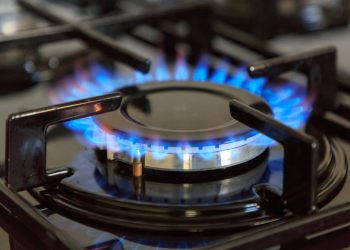
Landlords of holiday lets must comply with gas safety regulations to ensure the safety of their guests. This includes obtaining an annual Gas Safety Certificate (CP12) from a qualified Gas Safe registered engineer, who will inspect all gas appliances, flues, and pipework. A copy of the certificate must be provided to guests upon request. Additionally, landlords must ensure that gas appliances are well maintained and any issues are promptly addressed. Carbon monoxide detectors should also be installed in rooms with gas appliances to comply with safety regulations.
Portable Appliance Testing (PAT) on all Electrical Appliances
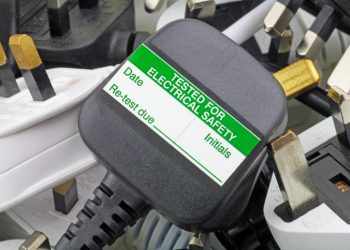
While PAT testing is not legally required, you are legally obligated to ensure that all electrical appliances in your holiday let are safe. The easiest and most effective way to ensure their safety is to have a PAT test.
Electrical Installation Condition Report (EICR).
Since July 2020, it is a legal requirement to renew the EICR every 5 years. An experienced qualified electrician or approved contractor must carry out the assessment.
The inspection assesses the safety and condition of the property’s electrical systems, identifying any defects or potential hazards. If the report highlights any Category 1 (danger present) or Category 2 (potentially dangerous) issues, they must be addressed within 28 days or sooner if specified. A copy of the EICR must be provided to guests upon request and to the local authority if required. Regular checks of sockets, switches, and appliances are also recommended to maintain ongoing electrical safety.
Insurance For Your Holiday Home
Standard home insurance is not sufficient, as holiday lets have unique risks due to frequent guest turnover. Essential coverage includes buildings and contents insurance, public liability insurance (to cover guest injuries or property damage) and employer’s liability insurance if staff are employed. Additional options such as accidental damage cover, loss of income protection, and legal expenses cover can provide further security. Owners should ensure their policy meets the specific requirements of their letting agreement and mortgage provider.
Carbon Monoxide and Smoke Detectors
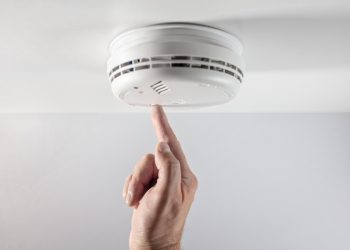
The new legislation ( the Fire Safety Order by Section 156 of the Building Safety Act 2022) advises that it is preferable that all smoke and heat alarms should be mains powered with a tamper-proof standby power supply consisting of a battery. However, wireless smoke, heat and CO2 detectors can be installed – these have to meet the BS5839-6 Grade D1 standards – which means the batteries are sealed and last up to ten years and they work with radio signals, so no internet is required. These should be tested every month or so.
Fire risk assessment.
Holiday cottages are required to comply with the Fire Safety Order by Section 156 of the Building Safety Act 2022. With the new regulations now in place as of 1st October 2023.
We recommend having a professionally conducted Fire Risk Assessment (FRA), and to check this as periodic intervals yourself. Ensure that all potential fire risks are identified and appropriately managed. Document the findings and any necessary actions. We have clear policies in place to ensure that there are no “additional risks” in place for your property. This includes: a no candle policy in all properties, ensuring that there is extra lighting for escape routes, and fire resistant doors where applicable.
We do have a recommended fire safety assessor and if you are looking for help with this, please contact us.
If you ensure that these regulations and best practices are followed it will ensure that your guests well being and safety is taken care of. And you will have peace of mind.
If you want to take the stress out of letting your holiday home or second home, contact us today to discuss your options on how we can help, call us on 01993 222 200 or send us a message.


